Sewer Line Repair & Replacement
Your home’s sewer line is one of those behind-the-scenes systems you rarely think about – until something goes wrong. It’s responsible for carrying wastewater from sinks, showers, toilets, and appliances safely out of your home and into the municipal sewer system or septic tank.
When it’s functioning perfectly, you never notice it. But when problems arise, they can escalate fast. A small crack or clog can lead to a backup, foul odors, or even raw sewage spilling into your home or yard. That’s why understanding when and how to repair or replace your sewer line is so important for homeowners.
Common Causes of Sewer Line Problems
Several factors can damage or block your sewer line:
- Tree Root Intrusion: Roots naturally seek out water sources and can work their way into tiny cracks in your pipes, eventually clogging or breaking them.
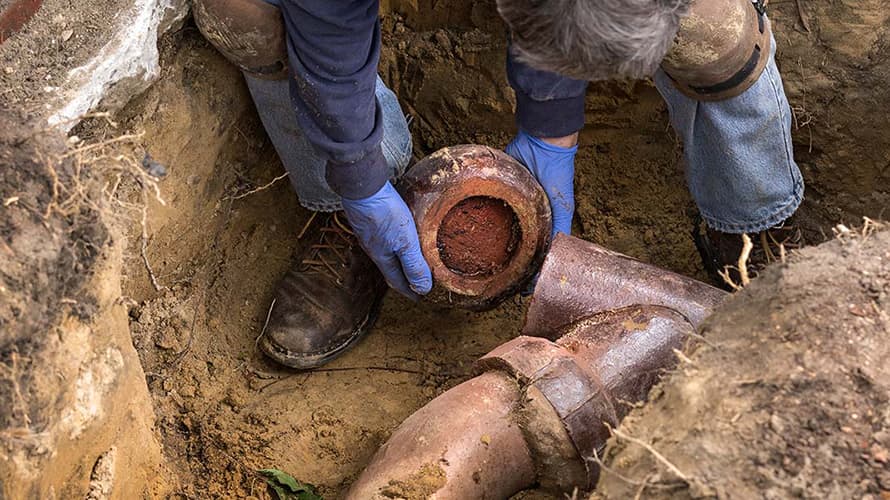
- Aging Pipes: Older homes may have clay or cast iron pipes that corrode or crack over time.
- Shifting Soil: Seasonal changes, construction, or even heavy rain can cause the ground to shift, stressing and breaking pipes.
- Grease Buildup: Pouring grease or cooking oil down drains can cause major blockages over time.
- Foreign Objects: Flushing wipes, hygiene products, or toys (yes, it happens!) can cause stubborn clogs.
- Corrosion & Wear: Even without roots or foreign objects, pipes can naturally deteriorate over decades.
Warning Signs You Shouldn’t Ignore
Most sewer problems give you little hints before turning into a disaster. Call a professional if you notice:
- Multiple slow drains at once
- Gurgling noises from drains or toilets
- Sewer odors inside or outside your home
- Water pooling in your yard with no clear cause
- Unexplained lush patches of grass (sewage is acting like fertilizer)
- Frequent clogs that keep coming back
How Sewer Line Repairs & Replacements Are Done
Depending on the severity of the problem, your sewer issue could be fixed with:
- Cleaning & Clearing: For clogs caused by roots or buildup, hydro-jetting or mechanical rodding may solve the problem.
- Sectional Repair: If only a small portion is damaged, we can replace just that section.
- Pipe Relining: Trenchless methods insert a resin-coated liner into the old pipe, creating a “pipe within a pipe.”
- Full Replacement: If damage is severe or the pipe is very old, replacing the entire line is often best for long-term reliability.
Trenchless vs. Traditional Sewer Replacement
Traditional Method
Involves digging a trench along the entire length of your sewer line. It’s effective but can disrupt landscaping, driveways, or patios.
Trenchless Method
Uses small access points to repair or replace the pipe underground, leaving your yard largely intact. Benefits include:
- Faster completion time
- Less mess
- Often more cost-effective when factoring in landscaping repairs
Why Trust Victory Plumbing
Homeowners in Central Arkansas trust us because:
- Experienced Professionals: We’ve handled thousands of sewer projects of all sizes.
- Advanced Tools: Camera inspections and trenchless equipment save you time and money.
- Transparent Pricing: You’ll always know the cost upfront.
- Long-Lasting Repairs: We use top-quality materials and proven methods.
- Local Commitment: We’re your neighbors, so your home and comfort matter to us.
When to Call Victory Plumbing
Call us right away if you:
- Have multiple drains backing up
- Hear gurgling from your toilet after running the sink or shower
- Smell sewage odors indoors or outside
- Notice sudden wet spots in your yard
- Experience frequent clogs despite cleaning efforts
Pro Tips for Maintaining Your Sewer System
- Only flush toilet paper; no wipes, tissues, or hygiene products.
- Never pour grease down the drain; collect and dispose of it in the trash.
- Install root barriers if you have large trees nearby.
- Schedule regular inspections, especially in older homes.
- Act quickly at the first sign of trouble – early fixes are cheaper.
Sewer Service Myths vs. Facts
Myth: “If my drains work most of the time, my sewer line is fine.”
Fact: Partial blockages can clear temporarily, then return worse than before.
Myth: “Only old homes have sewer problems.”
Fact: Newer homes can have issues from shifting soil, poor installation, or root intrusion.
Myth: “DIY drain cleaners are safe for pipes.”
Fact: Many contain harsh chemicals that corrode your pipes over time.
Serving Central Arkansas
No matter where you live in Central Arkansas, Victory Plumbing is here to help with all your plumbing needs – including sewer service repairs and replacement. Our local team knows the common challenges homes face in our area and brings trusted solutions.
Contact Victory Plumbing Today
Ready to restore your home’s plumbing system with expert sewer service repairs and replacement?
Call us now at (501) 313-9920 or fill out our online form to schedule your free plumbing inspection and estimate.
Frequently Asked Questions About Sewer Service Repairs & Replacement
How do I know if my sewer line needs repair or replacement?
Common warning signs include slow drains throughout the home, foul sewer odors, gurgling sounds in toilets, or unexplained wet spots in your yard. A camera inspection from a licensed plumber is the best way to confirm the cause and severity of the issue.
What causes most sewer line problems in Central Arkansas?
Tree roots, aging pipes, shifting soil, grease buildup, and flushing non-flushable items are the biggest culprits. Our local clay-rich soil can also expand and contract with weather changes, stressing underground pipes.
How long does sewer line repair or replacement take?
Minor repairs can often be completed in a single day. Full replacements typically take 1 – 3 days, depending on the method (trenchless vs. traditional) and how easily we can access the line.
Will repairing my sewer line damage my yard?
Traditional repairs require digging a trench, which can disturb landscaping. Trenchless sewer repair allows us to fix or replace the pipe using small access points, which means much less disruption to your lawn, driveway, or patio.
Is trenchless sewer repair more expensive?
While the upfront cost can be similar or slightly higher than traditional methods, trenchless repair often saves money overall by avoiding the cost of restoring landscaping, hardscaping, or driveways.
How can I prevent future sewer problems?
Avoid flushing anything other than toilet paper, never pour grease or oil down the drain, and consider installing root barriers if you have large trees nearby. Scheduling a preventive camera inspection every few years can also catch problems early.
Share on Social: