5 Everyday Habits That Can Wreck Your Plumbing
Published Updated
3 min read
Grease down the sink and wipes in the toilet top the list. Little Rock's sewer utility ranks cooking grease and oil among the main reasons sewer lines block up, and says wipes never break down in the sewer, whatever the package claims. Ignored drips, chemical drain cleaners and an overloaded garbage disposal round out the five, and each has a simple swap.
Key takeaways
- Can the grease and throw it out. LRWRA hands out a grease can with heat-resistant liners at no cost.
- Toilet paper is the one thing besides human waste that belongs in the toilet.
- Small drips add up: EPA counts more than 9,300 gallons a year lost to the average home's leaks.
- Keep chemical drain cleaners out of the garbage disposal; one disposal maker warns they eat at its metal parts.
- Feed a disposal a little at a time, with cold water running.
Why shouldn't grease go down the drain?
Because it stays in the pipes. InSinkErator, the disposal maker, says fats, oils and grease collect inside plumbing pipes and are usually the cause of many plumbing issues, and LRWRA calls cooking grease and oils one of the leading causes of sewer line blockages.
Better habit: pour grease into a can and throw it out with the trash. LRWRA's Can the Grease program gives out an aluminum can and heat-resistant liners at no cost; you can request a kit on its website.
Drain still slow? See Drain cleaning and rooter
What can I flush down the toilet?
Only the 3 Ps: pee, poop and toilet paper. Toilet paper is the only other thing that breaks down in the sewer, according to LRWRA. Wipes don't, even ones sold as flushable, and they lead to clogs and overflowing toilets. Tampons, pads and dental floss don't break down either.
Better habit: keep a small trash can with a lid in the bathroom. Old medicines go to a drug take-back site, not the toilet; ARTakeBack.org lists drop-off spots.
Is a small leak worth fixing right away?
Yes. By EPA's figures, one drip per second from a faucet comes to more than 3,000 gallons over a year. Fixing the easy ones can trim about 10 percent off a water bill.
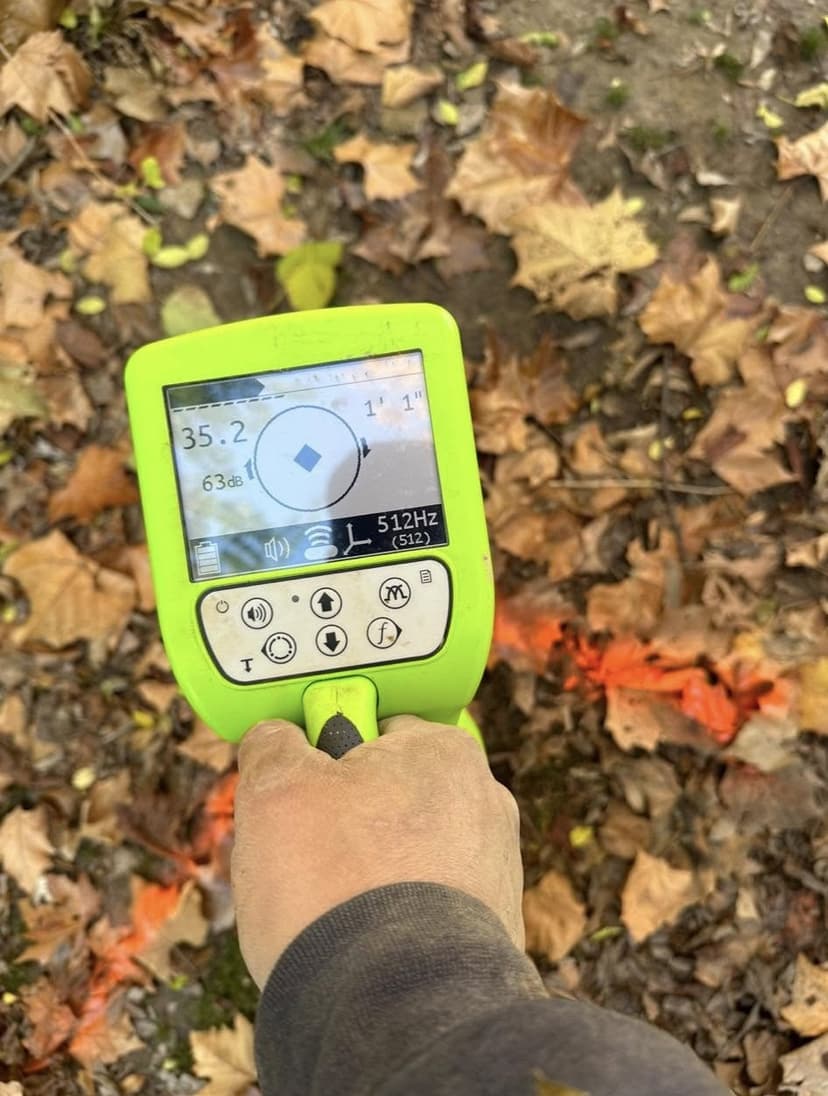
Better habit: look for the leaks you can't see. Write down the meter reading, go two hours without running water, and look again; if the number changed, there's probably a leak. For the toilet, add dye to the tank, wait 10 minutes, and look for color in the bowl. If the meter says there's a leak and you can't find it, we'll look for the cause before suggesting a fix.
Should I pour a chemical drain cleaner down a slow drain?
Not into a garbage disposal. Moen, a disposal maker, tells owners never to use lye or chemical drain cleaners in one, because they badly corrode its metal parts.
Better habit: stop the clog before it starts. LRWRA counts hair among the leading causes of clogged pipes and suggests a hair catcher or drain protector. When a drain keeps clogging, have it cleared properly; on household drains our tool of choice is the jetter.
What shouldn't go in the garbage disposal?
Grease, first of all. Beyond that, InSinkErator says its disposals handle most everyday food waste. Coffee grounds and eggshells won't hurt the disposal itself, it says, but a big dump of either can settle in older or partly blocked pipes and slow the drain.
Better habit: cold water on, disposal on, then small handfuls of food rather than a pile; when it's done, leave the water running for a few seconds. More in our garbage disposal care guide.
Want this handled?
Drain backing up anyway? We clear household drains and find what caused the clog.