
Plumbing in Central Arkansas:
Common Problems and Solutions for Local Homes
Published Updated
4 min read
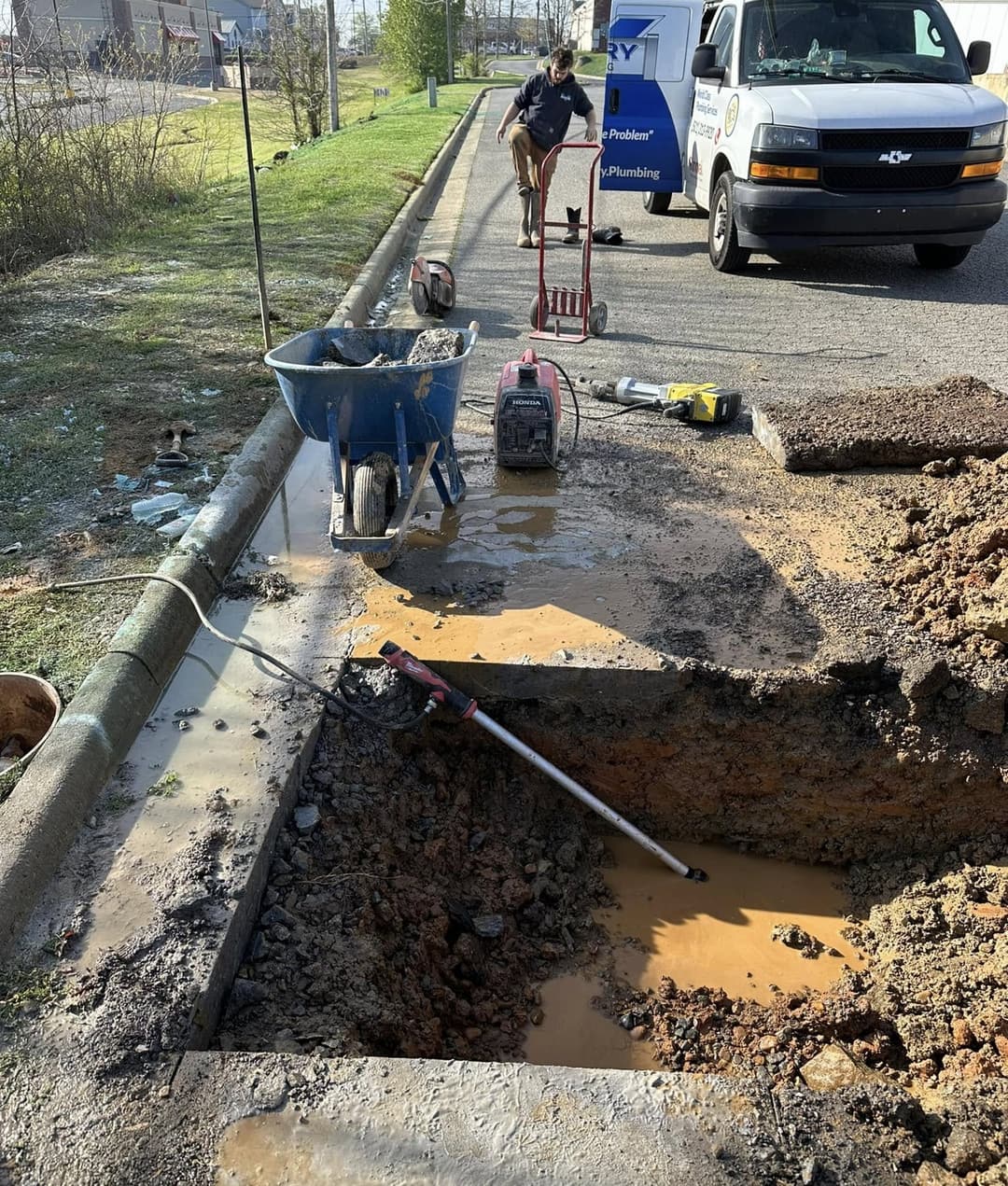
A lot of the housing here is old. By Census Bureau estimates, about 4 in 10 North Little Rock homes and more than 1 in 3 Little Rock homes were built before 1970. Older houses can mean older supply pipe and sewer lines. One problem that isn't really local: hard water. Most homes here are on soft water, though minerals still settle in a water heater over time.
Key takeaways
- Polybutylene, a plastic supply pipe that is gray in most cases, went into many houses from 1978 to the mid-1990s.
- Central Arkansas Water looks after its pipe through a short tailpiece past the meter; from there into the house, the plumbing is yours.
- A Little Rock homeowner owns the sewer line out to the city's main, and LRWRA will pay back up to $2,500 toward replacing it through its program.
- Discolored tap water from the mains is manganese, which the water utility says is safe; if only the hot side looks off, check the water heater.
- Before a freeze, insulate exposed pipes, let faucets drip on the coldest nights, and learn how to shut off the house's water.
Why do older homes here have more plumbing trouble?
Because pipe ages with the house. A home finished between 1978 and the mid-1990s may still have polybutylene supply lines, the gray plastic pipe of that era. Whether corroded or worn pipe gets one section replaced or the whole house repiped depends on how old it is and what it's made of. When a repipe is the answer, we do it in PEX or copper, whichever you choose.
If a water line leaks, is it my job or the utility's?
It depends on which side of the meter it's on. Central Arkansas Water maintains the mains, the meter and about one to two feet of pipe past the meter, called the tailpiece; from that connection into the house, it's your plumbing.
A water bill that jumps with no drip in sight is worth a check: take a meter reading, leave every tap off for two hours, and compare. Any movement probably means a leak, even one hidden under the slab. For slab and buried water-line leaks we use LeakPro acoustic equipment, which listens for the leak before anyone breaks concrete. We repair and replace the buried service line that runs from the meter into the house. See Water line and water pressure
If the water pressure in the house changes, the cause can be the pressure reducing valve, the line or a fixture. We check it with gauges to find which.
Who do I call when the sewer backs up?
It depends on where the clog is. In Little Rock, the pipe between your house and the public main is yours to maintain. North Little Rock Wastewater wants a call before anyone else's when a line stops up, because the blockage may be in its pipe. If a clog we're called for sits on the city's end, we take it up with the city on your behalf.
A missing or broken cleanout cap lets rainwater into the sewer and debris into your line, and LRWRA will cap it at no cost. Replacing a Little Rock sewer line? LRWRA's Sewer Service Line Replacement Program pays back up to $2,500 to qualifying single-family homeowners who apply first. We clear roots and buildup from sewer lines, old clay and cast iron included. See Sewer line repair and replacement
Is discolored water a plumbing problem?
Not when it starts in the main. Central Arkansas Water says its discolored water is manganese scoured off the inside of a main when a hydrant is opened, a valve is operated or a main breaks, and that it's safe. The test is hot versus cold: if only the hot water is discolored, the problem is most likely in the water heater.
How do I keep pipes from freezing?
Central Arkansas Water's advice comes down to four steps:
- Insulate exposed pipes in unheated spaces such as crawl spaces, attics and basements.
- On extremely cold nights, let both hot and cold faucets drip slightly, and open the cabinet doors under sinks.
- Close or cover crawl space vents.
- Disconnect and drain outdoor hoses.
Find the house's main shut-off before winter, too: turning the water off fast keeps a burst pipe from doing as much damage.
How long does a water heater last?
Start thinking about a replacement once a tank passes 10 years, ENERGY STAR advises, rather than waiting for it to fail. Soft water doesn't spare it: minerals and sediment still settle in a water heater, which is why Central Arkansas Water suggests flushing it once a year. Weighing a tankless unit instead? Read Tankless water heaters 101.
Want this handled?
A backup, a buried leak or a line that's had its day: we find where it is and whose side it's on before any digging starts.