Table of Contents
Key Takeaways
- Some plumbing fixes are safe for homeowners — think minor clogs, replacing a showerhead, or installing a new faucet aerator.
- Bigger, more complicated, or potentially hazardous jobs — like gas line work or sewer repair — should always be handled by a licensed plumber.
- The right choice saves you time, money, and stress — and prevents costly damage to your home.
- A simple checklist can help you quickly decide whether to grab your toolbox or pick up the phone.
Defining the Difference
Not all plumbing problems are created equal. A leaky faucet that drips into a sink is a different beast than a burst pipe spraying water into your basement.
In general:
- DIY-friendly jobs are small in scope, affect only one fixture or appliance, and won’t cause major damage if something goes wrong.
- Professional-required jobs often involve water or gas supply lines, hidden pipes in walls or under floors, and require knowledge of local plumbing codes.
It’s also worth noting that your comfort level matters. Even a “simple” task like replacing a faucet can feel overwhelming if you’ve never picked up a wrench before. On the flip side, some homeowners have years of tinkering experience and can tackle more than average. The key is being honest about your skills and risk tolerance.
Making the Decision
Before deciding whether to roll up your sleeves or call in the cavalry, think about what’s at stake.
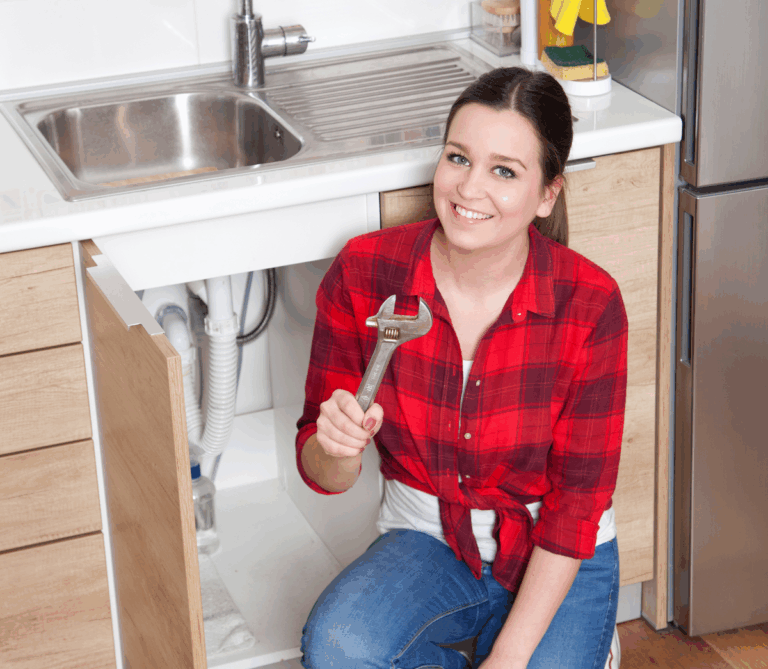
Benefits of DIY
- Cost Savings – Labor often makes up the bulk of a plumbing bill. Handling small fixes yourself keeps more money in your pocket.
- Immediate Action – You can get started right away without waiting for a service appointment.
- Satisfaction – There’s pride in knowing you solved the problem. Plus, you’ll gain confidence for future projects.
- Learning Experience – Every DIY project adds to your skills and understanding of your home.
Benefits of Calling a Professional
- Expertise – Licensed plumbers are trained to handle complex situations and know the most effective solutions.
- Safety – From scalding water to gas leaks, pros understand the hazards and how to prevent them.
- Prevention – A pro can spot small issues that could grow into expensive problems later.
- Code Compliance – Many plumbing jobs require permits and must meet local building codes.
- Warranty – Many professionals stand by their work with guarantees, giving you peace of mind.
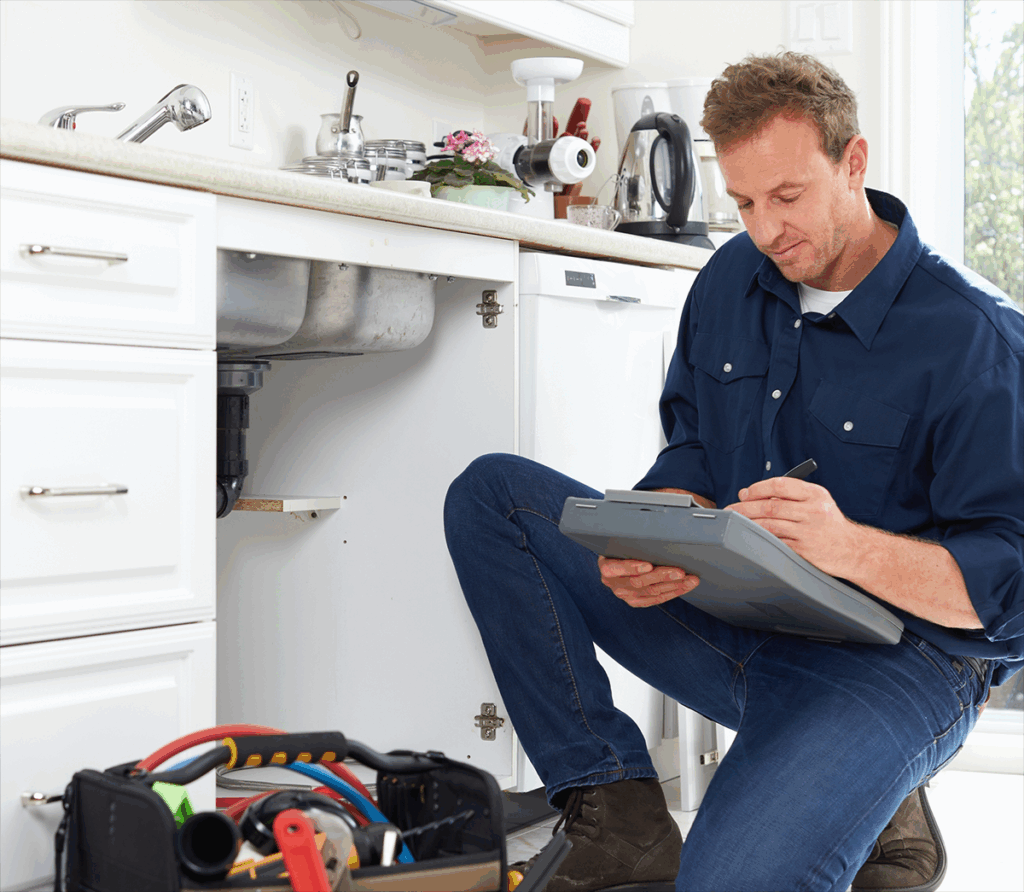
Quick Decision Checklist
Ask yourself:
✅ Does the project involve water or gas lines?
✅ Could a mistake cause major water damage?
✅ Is specialized equipment required?
✅ Are there local codes or permits involved?
If you answered yes to any of these questions — call a professional. If all answers are no, ask yourself, “Do I have clear instructions and the right tools?” If your answer is yes, it’s likely a safe DIY.
Let’s take a look at some plumbing projects most homeowners can tackle safely and we’ll share our favorite DIY YouTube videos to help you be successful.
DIY-Friendly Plumbing Projects
Replacing a Showerhead
- Difficulty: Easy
- Tools Needed: Adjustable wrench or pliers, plumber’s tape.
- Why It’s DIY: Usually just unscrew the old showerhead, wrap plumber’s tape on the threads, and screw on the new one.
- Pro Tip: Soak the old showerhead in vinegar to remove mineral buildup before installing it somewhere else.
Installing a new shower head offers benefits like increased water pressure by clearing mineral clogs, water and energy savings through low-flow options, improved water quality with filters, and enhanced showering experience with different spray patterns and spa-like features. Additionally, it can update bathroom style, improve home value, and offer health benefits for skin and hair by reducing chemical exposure and hard water effects.
Installing a New Faucet Aerator
- Difficulty: Very Easy
- Tools Needed: Your hands (and maybe pliers).
- Why It’s DIY: Takes less than five minutes, improves water flow, and can reduce splashing.
A faucet aerator on a sink looks and feels like a mesh screen disk. The purpose of an aerator is to conserve water. Aerators need to be removed and cleaned every six months to prevent the buildup of hard water, lead, small particles, and other bits of residue from getting into your water. You might need to replace your aerator if your water pressure is low, if the water is misdirected, or if it cannot be unclogged.
How to install a faucet aerator >
Finding the right size faucet aerator >
Unclogging a Drain with a Plunger
- Difficulty: Easy
- Tools Needed: Plunger, gloves.
- Why It’s DIY: No special skills needed, and plungers work for sinks, tubs, and toilets.
- Pro Tip: For sinks, cover the overflow opening with a wet cloth to create better suction.
Unclogging a drain with a plunger is a simple, affordable, and safe way to tackle many household clogs yourself. You’ll save money and avoid harmful chemicals that could damage your pipes. It’s important to ensure you’re using the right type of plunger for the drain you’re trying to clear (e.g., a toilet plunger for toilets and a cup plunger for sinks and tubs). Also, never use a plunger if you’ve already poured chemical drain cleaner into the drain, as the chemicals can splash back and cause serious burns or injuries.
How to unclog a sink with a plunger >
How to unclog a toilet with a plunger >
Cleaning a Sink Trap
- Difficulty: Easy-Moderate
- Tools Needed: Bucket, wrench, gloves.
- Why It’s DIY: You simply unscrew the trap under the sink and clear out debris.
- Caution: Have a bucket ready — water will spill out.
Regular cleaning of sink traps helps remove the buildup of debris like hair, soap scum, food particles, and grease that can cause clogs and slow drainage. You should consider cleaning your sink trap when you notice signs like slow draining, water backing up in the sink, or unpleasant odors coming from the drain.
Replacing a Toilet Flapper
- Difficulty: Easy
- Tools Needed: None
- Why It’s DIY: Stops a running toilet, which wastes water and money.
A faulty flapper can lead to a constantly running toilet, wasting gallons of water every day and driving up your utility bills. Replacing it ensures a proper seal and prevents leaks, saving water and money. This is a simple repair that can help you learn more about your home’s plumbing and gain confidence in tackling small repair jobs.
How to replace a toilet flapper >
Adding Pipe Insulation
- Difficulty: Easy
- Tools Needed: Utility knife, pipe insulation sleeves.
- Why It’s DIY: Prevents frozen pipes in winter and improves energy efficiency.
Insulating pipes, especially those exposed to cold temperatures in unheated areas like basements or crawl spaces, can help prevent them from freezing and bursting, which can lead to costly repairs and water damage. By reducing heat loss from hot water pipes, insulation helps your water heater work less, potentially lowering your energy consumption and heating bills. It also helps maintain the water’s temperature for longer, reducing the time you have to wait for hot water at your taps.
Plumbing Projects That Require a Professional
These projects are better left to experts — they often involve safety hazards, specialized tools, or code requirements.
Sewer Line Repairs & Replacements
Dangers of DIY:
Sewer lines aren’t just “big pipes.” They’re buried underground, often beneath landscaping, driveways, or foundations. Trying to dig and repair them yourself can result in:
- Damaging your own property or utility lines
- Exposure to harmful bacteria, viruses, and toxic gases
- Code violations that can lead to fines
- Costly mistakes that worsen the problem
Benefits of Hiring a Professional:
A licensed plumber uses specialized cameras to locate the exact problem, avoiding unnecessary digging. They also ensure repairs meet local building codes, protect your health, and prevent costly future backups.
Tips for Finding the Right Pro:
- Look for plumbers with trenchless repair capability to minimize yard damage.
- Ask if they provide a camera inspection before starting work.
- Check reviews specifically mentioning sewer line repairs.
Gas Line Repairs & Replacements
Dangers of DIY:
Gas lines carry highly flammable material. Even a tiny leak can lead to:
- Fires or explosions
- Carbon monoxide poisoning
- Immediate danger to you and your household
- Voiding your homeowner’s insurance if not done by a licensed pro
Benefits of Hiring a Professional:
Professionals use gas leak detectors, proper sealing methods, and pressure testing to ensure your home is safe. They’re also trained to work under the strict safety codes required by law.
Tips for Finding the Right Pro:
- Ask if the plumber is certified to work on gas lines in your state.
- Request proof of insurance and licensing.
- Choose someone who offers emergency response for gas issues.
Whole-House Re-Piping (Water, Drain, or Gas)
Dangers of DIY:
Re-piping is a major project — it often involves opening walls, rerouting pipes, and working around electrical wiring. DIY attempts can result in:
- Extensive water damage from improper connections
- Structural damage to your home
- Leaks hidden behind walls that go undetected for months
- Noncompliance with plumbing codes
Benefits of Hiring a Professional:
A pro will plan the project to minimize disruption, ensure correct pipe sizing, and use materials suited to your home’s needs. They’ll also pressure-test the system before sealing walls.
Tips for Finding the Right Pro:
- Ask for a detailed written estimate with a project timeline.
- Look for plumbers experienced with your home’s pipe material (copper, PEX, etc.).
- Request references from recent re-piping clients.
Water Heater Installation
Dangers of DIY:
Water heaters require a mix of plumbing, electrical, and sometimes gas work. Mistakes can lead to:
- Scalding water
- Explosions due to improper pressure relief
- Carbon monoxide leaks in gas units
- Poor efficiency and higher utility bills
Benefits of Hiring a Professional:
Professionals ensure proper venting, safe temperature settings, and efficient installation that prolongs the unit’s life. Many water heater warranties require pro installation.
Tips for Finding the Right Pro:
- Ask if they are familiar with both tank and tankless systems.
- Request warranty information upfront.
- Make sure they handle removal and disposal of the old unit.
Tankless Water Heater Installation
Dangers of DIY:
Tankless units require correct gas line sizing, venting, and sometimes upgrading your home’s electrical panel. Mistakes can cause:
- Unit failure from improper water flow
- Dangerous gas leaks
- Voiding the manufacturer’s warranty
Benefits of Hiring a Professional:
A pro will size the unit correctly for your household’s needs, ensure proper venting, and set up annual maintenance reminders to keep it running efficiently.
Tips for Finding the Right Pro:
- Look for a plumber certified by the manufacturer of your unit.
- Ask about maintenance plans for long-term performance.
- Confirm they’ve installed similar systems in homes of your size.
Reduced Pressure Zone (RPZ) Valve Installation
Dangers of DIY:
RPZ valves protect drinking water from contamination. Installing them incorrectly can:
- Allow backflow of pesticides, chemicals, or bacteria into your water supply
- Fail health department inspections
- Put your family’s health at serious risk
Benefits of Hiring a Professional:
Licensed plumbers ensure the valve meets code, is tested annually, and protects your home and community water supply.
Tips for Finding the Right Pro:
- Hire someone certified in backflow prevention.
- Ask about ongoing testing and certification services.
- Check if they work directly with your local water authority.
Major Toilet Repairs or Replacements
Dangers of DIY:
While swapping out a flapper is fine for most homeowners, replacing a toilet or fixing major leaks can cause:
- Damage to the wax ring seal leading to hidden leaks
- Floor damage and mold growth
- Cracked porcelain or broken plumbing connections
Benefits of Hiring a Professional:
A pro will set the toilet correctly, ensure no leaks, and can recommend models that save water and perform better.
Tips for Finding the Right Pro:
- Ask if they can dispose of the old toilet.
- Request water-efficiency options.
- Check for experience with both standard and comfort-height models.
Sump Pump Installation or Replacement
Dangers of DIY:
Improper sump pump installation can lead to:
- Basement flooding during heavy rain
- Electrical hazards
- Shortened pump lifespan from incorrect setup
Benefits of Hiring a Professional:
Pros will size the pump for your home, ensure correct discharge away from your foundation, and install battery backups for emergencies.
Tips for Finding the Right Pro:
- Ask about backup pump options.
- Check if they provide maintenance and testing services.
- Look for plumbers with experience in your area’s water table and soil type.
Frequently Asked Questions
Before you grab your toolbox — or your phone to call a plumber — here are some common questions homeowners ask when deciding whether to DIY or go pro.
How do I know if a plumbing job is too big for me to handle?
If you’re unsure, think about three main factors: safety, tools, and knowledge. If the job involves gas lines, electrical components, heavy digging, or specialized equipment you don’t own, it’s likely best left to a professional. Another clue — if you’ve watched three YouTube videos and still feel confused, it’s probably not a good DIY candidate.
What tools should every homeowner have for basic plumbing repairs?
For small, safe jobs, a good starter kit might include an adjustable wrench, plunger, plumber’s tape, bucket, flashlight, pipe wrench, and a small snake (for clogs). These won’t replace a pro’s toolbox, but they can help you handle minor fixes and emergencies until help arrives.
Are DIY plumbing repairs safe if I just follow an online tutorial?
Sometimes, but not always. Tutorials can be helpful for simple, low-risk tasks like replacing a faucet aerator. However, they can’t account for unique issues in your home’s plumbing system, outdated parts, or hidden code requirements. Always double-check that you fully understand each step before starting — and have a backup plan if things go wrong.
What could happen if I try a professional-level plumbing job on my own?
Possible consequences include damaging your plumbing system, causing water damage to your home, voiding warranties, creating safety hazards (especially with gas lines), and even violating local building codes. In many cases, the cost to fix a failed DIY job ends up higher than the cost of hiring a pro in the first place.
How do I find a trustworthy plumber?
Start with referrals from friends or neighbors, check online reviews, and verify that the plumber is licensed and insured. Ask about warranties on labor and parts, get estimates in writing, and make sure they have experience with your specific type of job.
When is it worth paying for an inspection before deciding to DIY?
If the problem is recurring, unexplained, or affecting multiple areas of your home, a professional inspection is worth it. For example, repeated clogs, water discoloration, or fluctuating water pressure could point to deeper issues you can’t see — issues that DIY repairs won’t fix.
Plumbing can be one of those “looks easy, turns tricky fast” areas of home maintenance. These FAQs are here to help you feel confident in deciding when to tackle a repair yourself and when to hand it off to someone with the tools, training, and insurance to do it right. Remember: knowing your limits isn’t a weakness. In fact, it’s one of the best ways to protect your home, your wallet, and your peace of mind.
Final Thoughts
The line between “DIY-friendly” and “call-a-pro” isn’t always crystal clear. But the risks of getting it wrong — from water damage to safety hazards — are real.
Rule of thumb:
- If it’s small, visible, and low-risk — try it yourself.
- If it’s hidden, connected to a major system, or could cause serious damage — call a professional.
Taking the right approach from the start saves you time, money, and stress — and ensures your plumbing system stays in top shape.
Share on Social: