Table of Contents
Key Takeaways
- Endless hot water on demand means no more racing the clock in the shower.
- Higher upfront cost than a tank-style heater, but lower energy bills over time.
- Can last up to 20 years or more with proper maintenance.
- Space-saving design ideal for smaller homes or utility spaces.
- Professional installation is essential for safe gas, water, and venting connections.
If you’ve ever been halfway through a hot shower only to be hit with a blast of icy water, you know just how important a reliable water heater is. For many homeowners, the solution is going tankless. These modern water heaters aren’t just a sleek upgrade — they can deliver endless hot water, save on energy costs, and last longer than traditional tank models.
But before you rush to replace your old unit, it’s important to understand how tankless systems work, what they cost, and whether they’re truly the best fit for your household. In this complete guide, we’ll cover everything from how tankless water heaters operate to their biggest pros and cons, installation considerations, and how to choose the right system for your home.
Whether you’re a DIY-minded homeowner doing research or you’re ready to call in a pro, this article will help you make an informed, confident decision — and ensure you never run out of hot water again.
What Is a Tankless Water Heater?
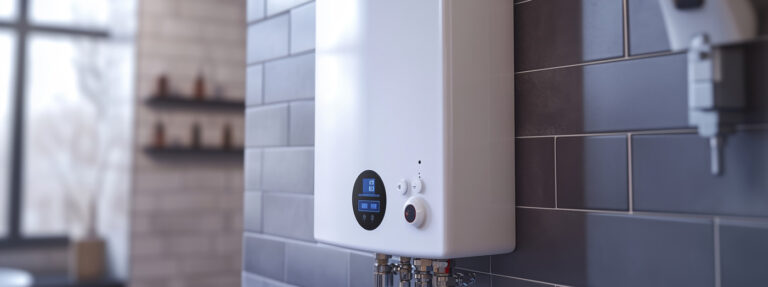
A tankless water heater — sometimes called an on-demand water heater — heats water as it flows through the unit rather than storing it in a tank. Inside, high-powered burners (for gas models) or heating elements (for electric models) rapidly warm the water as it passes through, delivering a constant supply at your set temperature.
No storage tank means:
- No standby energy loss from keeping water hot all day.
- No big tank taking up floor space in your utility area.
- No running out mid-shower when the tank empties.
When to Call a Professional
You might need a tankless water heater repair or replacement if:
- Your water isn’t heating or fluctuates in temperature.
- Error codes appear on the unit’s digital display.
- You hear strange noises like clicking or rumbling when hot water is running.
- You notice reduced water pressure during hot water use.
- Your current tank system is 10+ years old and you want to upgrade.
If your tankless unit stops working entirely, you may need immediate service — call a plumber before trying to troubleshoot on your own, especially with gas-powered models.
Major Homeowner Considerations
| Feature | Tankless | Traditional |
|---|---|---|
| Upfront Cost | Higher initial investment, often $2,000 - $4,000 installed | Lower initial cost, typically $1,000 - $2,000 installed |
| Installation Time | 6-10 hours, (May require new gas lines or electrical upgrades) | 2-4 hours |
| Lifespan | 20+ years with proper care | 8-12 years |
| Energy Efficiency | Very high - only heats water when needed | Moderate - uses energy to keep water hot all day |
| Maintenance Requirements | Annual flushing/descaling recommended | Periodic flushing to reduce sediment buildup |
| Hot Water Availability | Endless - heats water on demand | Limited - runs out when tank is empty |
For more details on traditional units, see our Traditional Water Heaters page.

Benefits of Tankless Water Heaters
- Endless hot water — perfect for large families or back-to-back showers.
- Lower monthly utility bills thanks to reduced energy waste.
- Compact, wall-mounted design frees up valuable space.
- Longer lifespan means fewer replacements over your homeownership years.
- Cleaner water — no sediment buildup in a large storage tank.
Common Problems with Tankless Water Heaters
Even the best systems need occasional maintenance. Common issues include:
- Mineral buildup inside the heat exchanger, especially in hard-water areas.
- Ignition failures from gas supply or venting issues.
- Blocked exhaust or air supply vents.
- Overloaded demand when too many fixtures use hot water simultaneously.
Many of these issues can be prevented with annual maintenance.

Pro Tips for Getting the Most Out of Your Tankless System
- Schedule annual maintenance to flush and descale the unit.
- Install a water softener if you have hard water — it protects your system.
- Don’t oversize your usage expectations — choose a model sized for your family’s needs.
- Keep vents and air intakes clear of debris.
Frequently Asked Questions
Can a tankless water heater run out of hot water?
No, but if you exceed its capacity (for example, running multiple showers and appliances at once), the temperature may drop.
Do tankless systems work with well water?
Yes, but proper filtration and softening may be necessary to protect the unit.
Can I replace my tank water heater with a tankless one?
Absolutely, though it may require adjustments to gas lines, venting, or electrical service.
Do they require electricity?
Yes, even gas models need electricity for ignition and controls.
How long does installation take?
Typically 6–10 hours, depending on your home’s setup.
Wrapping It Up
Choosing the right water heater for your home is a big decision, but understanding your options makes it much easier. Whether you decide on a traditional tank system or a modern tankless model, paying attention to factors like energy efficiency, installation requirements, maintenance, and household hot water needs can help you make the choice that’s right for you. With the right planning and care, your water heater can provide reliable, consistent hot water for many years, keeping your home comfortable and your family happy.
Share on Social: